IAIJ
Joined: 01 May 2011
Posts: 141
|
 Posted: Sun Mar 22, 2026 3:19 pm Post subject: Innovation and Society Posted: Sun Mar 22, 2026 3:19 pm Post subject: Innovation and Society |
 |
|
Innovation and Society
The Energy of the Future is Born from Integration
Technology, territory and communities at the KEY Energy Expo in Rimini
By Michele Piano (Switzerland)
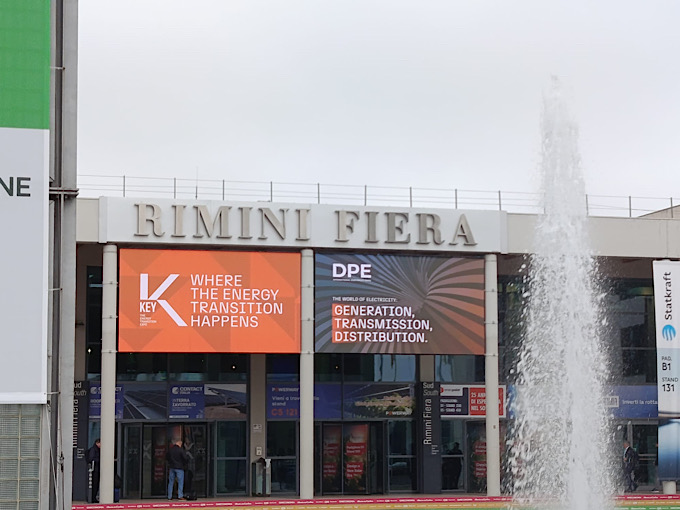
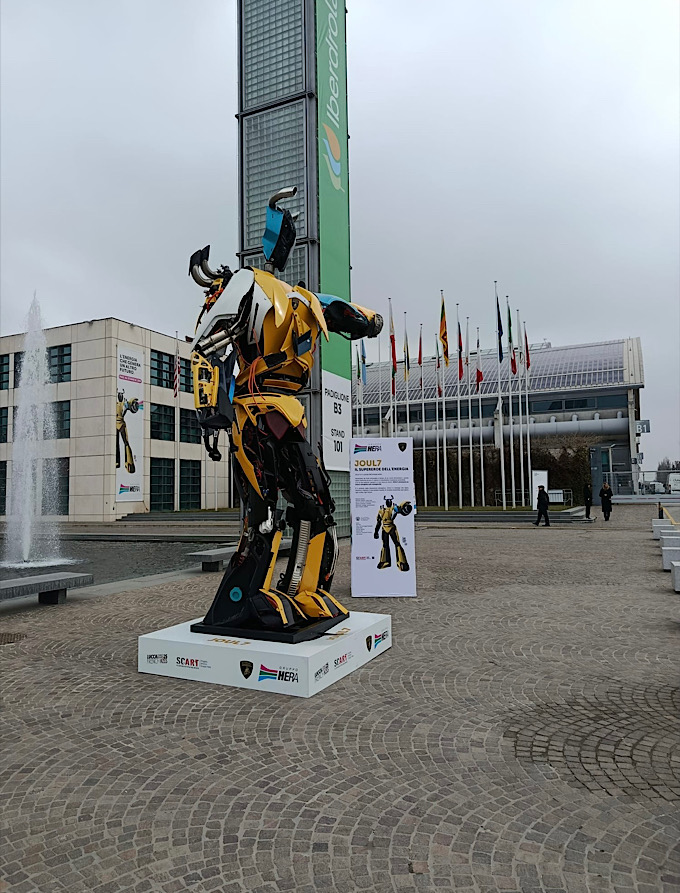
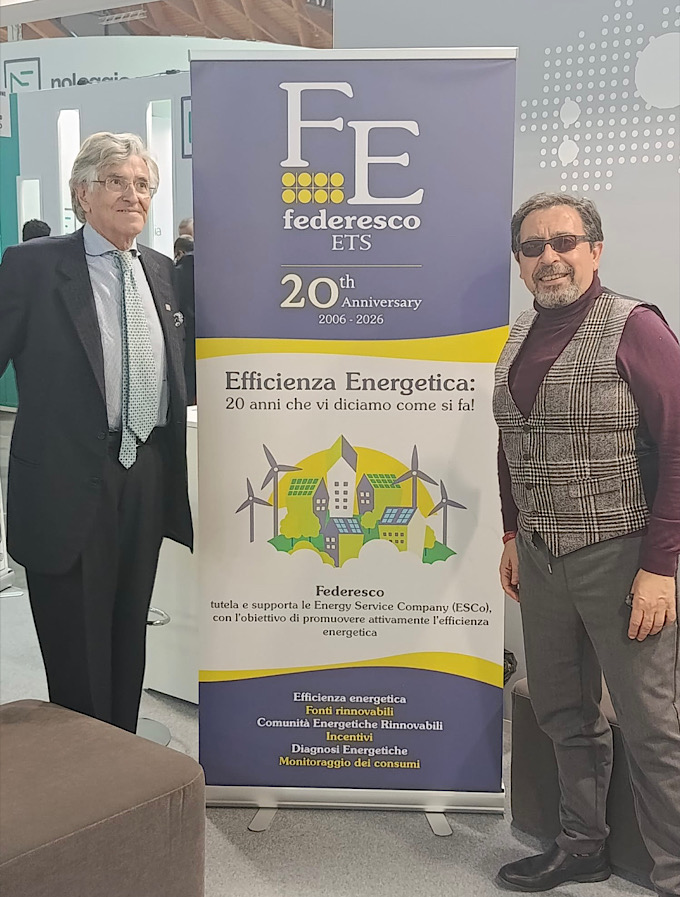
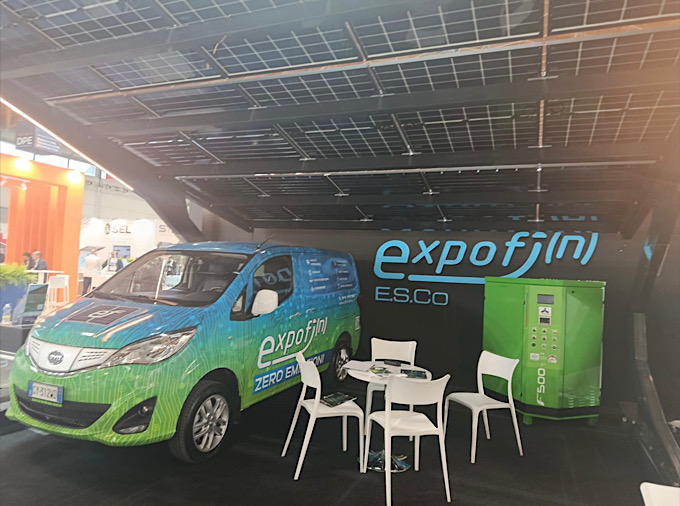
Energy has always been one of the fundamental pillars of human civilization. Every major historical transformation—from the Industrial Revolution to the digital society—has been accompanied by a profound change in the way we produce and use energy. Today we are facing another transformation. This time, however, it is not simply a matter of replacing fossil fuels with renewable sources. What is changing is the entire architecture of the energy system, which is evolving toward a model where technology, territory and communities become deeply interconnected.
A visit to KEY – The Energy Transition Expo, held in Rimini and considered one of the most important European events dedicated to energy transition technologies, provides a concrete glimpse of this transformation. More than a technological exhibition, KEY represents a place where the future of the global energy system begins to take shape.
High-efficiency photovoltaics: the technological leap
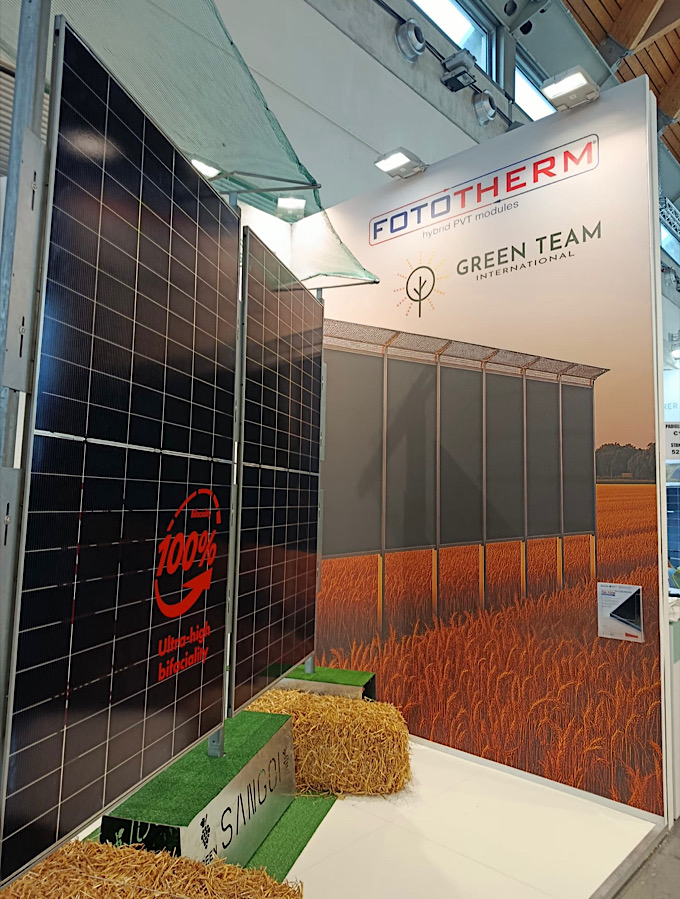
One of the most striking aspects of the exhibition is the rapid technological progress of photovoltaic systems. Solar modules are reaching efficiency levels that would have been unimaginable only a few years ago. New generations of bifacial modules can now exceed 670 watts of power with efficiencies above 24%. These technologies exploit solar radiation on both sides of the panel, significantly increasing energy production and improving the competitiveness of solar energy. Photovoltaics is no longer an emerging technology: it has become one of the central pillars of the future global energy system.
Agrivoltaics: energy and landscape
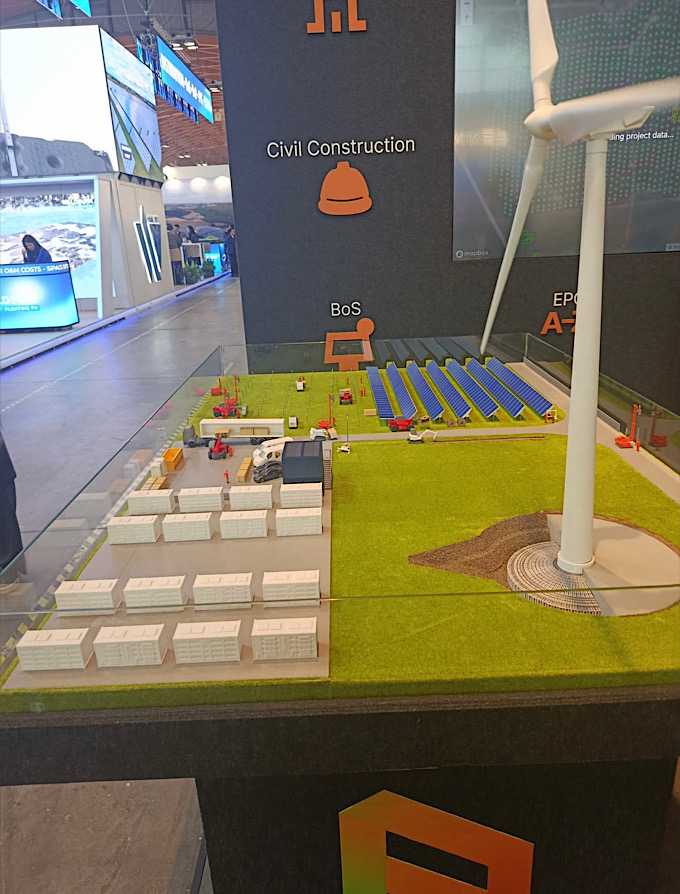
Among the most interesting innovations showcased at the exhibition are agrivoltaic systems, which integrate energy production with agricultural activities. Agrivoltaic installations use elevated photovoltaic modules that allow farming activities to continue beneath the panels. This approach addresses one of the main challenges of the energy transition: land use. Energy production and agriculture are no longer seen as competing activities, but rather as complementary elements of the same territorial system.
Energy communities: the social dimension of energy
Alongside technological innovation, another key element of the energy transition is increasingly emerging: the social dimension of energy. Renewable Energy Communities represent one of the most innovative models in the new energy economy. Through these communities, citizens, businesses and local administrations can produce and share renewable energy at the local level. This model introduces a new form of energy governance based on:
* cooperation
* participation
* shared responsibility.
Energy thus becomes not only an economic resource, but also a collective good.
Digitalization and intelligent energy systems
The growing complexity of energy systems requires increasingly advanced management tools. For this reason, the energy transition is closely linked to the digitalization of energy systems. Technologies based on smart monitoring, sensors and digital twin models allow the simulation and optimization of the behavior of buildings, energy infrastructures and entire energy communities. The energy system of the future will not only be renewable—it will also be intelligent and adaptive.
Energy and responsibility
The transformation of the energy system cannot be interpreted only in technological or economic terms. Energy is deeply connected to the relationship between humanity, the environment and the future of our planet. In this perspective, the energy transition is closely aligned with the vision proposed in the encyclical Laudato Si’, which calls for a development model capable of combining economic progress, environmental protection and social justice. Energy therefore becomes not only an industrial issue, but also an ethical and cultural challenge.
Toward a new energy paradigm
The experience of visiting the KEY exhibition clearly shows that the energy transition is entering a new phase. We are moving beyond the era of individual technological innovations and entering the age of integrated energy systems. Advanced photovoltaics, agrivoltaics, energy communities, storage systems and digital management tools are not isolated innovations. They are the components of a new paradigm. A paradigm in which energy is no longer simply an industrial matter, but one of the pillars of a development model capable of integrating innovation, sustainability and responsibility toward future generations. And it is precisely in places of exchange and innovation such as the KEY exhibition that this new model begins to take shape. |
|


